





Why Gear Oil Pumps Cannot Be Used for Water Pumping
2026-02-02 09:00:53
Why can gear oil pumps not be used for pumping water? This question touches on the fundamental principles of hydraulic system design. Simply put, gear oil pumps can be used to pump water, but they are not designed for water. Using them
Pumping can cause the pump to quickly fail or experience severe performance degradation.
The main reasons are as follows:
Poor lubrication
The function of oil: Inside the gear pump, there are minute gaps between the two meshing gears, the gears and the pump housing, as well as the gears and the side plates. Oil serves not only as the medium for transmission but also as a crucial lubricant,
It can form an oil film between metal components to prevent dry friction and wear.
The issue with water: Water has extremely low viscosity (typically only 1/20 to 1/50 that of hydraulic oil), resulting in poor lubrication performance. Replacing oil with water would cause metal components to operate in a near "dry friction" state,
It generates significant friction and heat, causing severe wear, scratches, or even seizing of gears, bearings, and pump bodies within a short period (possibly minutes to hours).
2. Poor sealing
Sealing by Viscosity: The internal structure of the gear pump lacks mechanical seals to fully isolate the high-pressure and low-pressure zones. Its sealing primarily relies on "liquid viscosity" and "minimal clearance gaps." High-viscosity oil
It can effectively fill these gaps, reducing leakage (internal leakage) of high-pressure oil to low-pressure areas, thereby maintaining high volumetric efficiency and output pressure.
Water causes severe internal leakage: Due to its low viscosity, water easily leaks back through the gaps between gears and pump bodies, as well as between gears and side plates. This leads to:
Severe pressure deficiency: The pump may be completely unable to generate the required pressure.
Flow rate significantly decreased: Most of the water was internally discharged, resulting in the actual outlet flow being far below the theoretical flow.
3. Corrosion and Rusting
The main components of a gear pump (gears, pump body, bearings) are typically made of cast iron, steel, or copper alloys. Water, especially impure water, can cause rapid rusting and corrosion of these metal parts, further
It exacerbates wear and may generate particulate contamination, leading to blockages or damage to the entire system.
4. High cavitation risk
The saturated vapor pressure of water is higher than that of oil. However, in the low-pressure suction zone, if the suction lift is too high or the pipeline resistance is excessive, water is more prone to vaporize and form bubbles. These bubbles collapse instantaneously in the high-pressure zone, generating intense
The impact force (cavitation phenomenon) erodes the metal surface, generates noise and vibration, and ultimately damages the pump's flow channel surface.
Why can some pumps draw water?
Pumps specifically designed for water pumping (such as centrifugal pumps, plunger pumps, diaphragm pumps, etc.) are entirely different in materials and structure:
Materials: Extensively used corrosion-resistant materials such as stainless steel, bronze, and engineering plastics.
Lubrication: There is an independent lubrication system (such as grease filling in bearing housings), or the conveying medium is completely isolated from the moving parts (such as diaphragm pumps).
Sealing: Utilizes specialized mechanical or packing seals to prevent leakage, without relying entirely on medium viscosity.
summary comparison
Characteristics: Gear oil pump (used for oil), water pump (such as centrifugal pump), and the consequences of gear pump pumping. The design medium is mineral oil, hydraulic oil, and other low viscosity liquids that do not match. Lubrication depends on the independent lubrication of the medium itself or water lubrication (special materials). Insufficient lubrication leads to severe wear and tear
Sealing mainly relies on the viscosity of oil to fill gaps, which relies on mechanical seals or impeller seals with severe internal leakage and insufficient pressure/flow
Materials such as cast iron, carbon steel (afraid of water corrosion), stainless steel, bronze, plastic, etc. corrode and rust, with a very short lifespan
Main applications: Hydraulic systems, lubricating oil transportation, water supply, irrigation, and drainage. Incorrect use
Conclusion:
The core function of gear oil pump is designed based on high viscosity oil. Its lubrication, sealing, and load-bearing capacity all depend on the physical properties of the oil. If the gear oil pump is forcibly used to pump water, it will quickly deteriorate due to lubrication failure
Rapid wear and significant performance degradation due to seal failure. This is a serious selection error.
If you need to pump water, be sure to choose a specialized water pump.
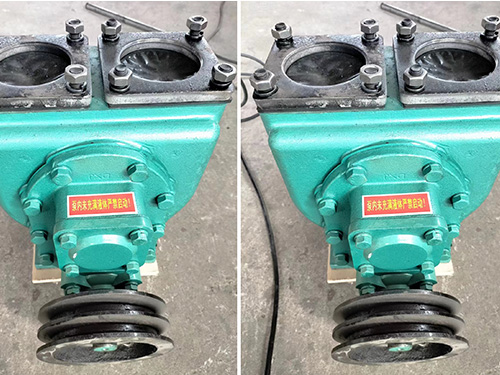
The YHCB high flow pump has the characteristics of large flow rate, high head, small settli...
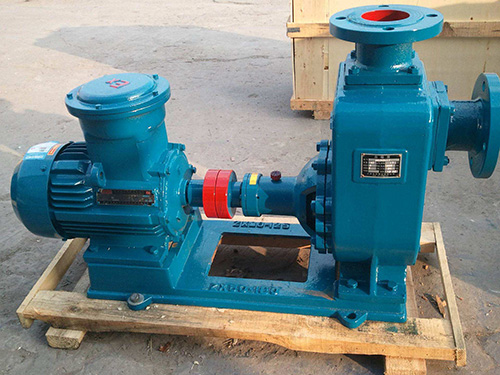
The CYZ centrifugal pump adopts an axial return liquid pump body structure, which is compos...
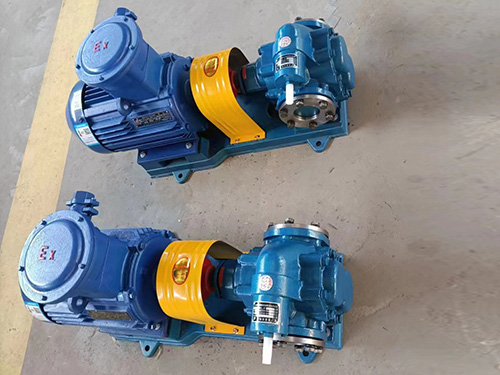
Copper gear pump (KCB type) is suitable for conveying lubricating oil or other liquids with...
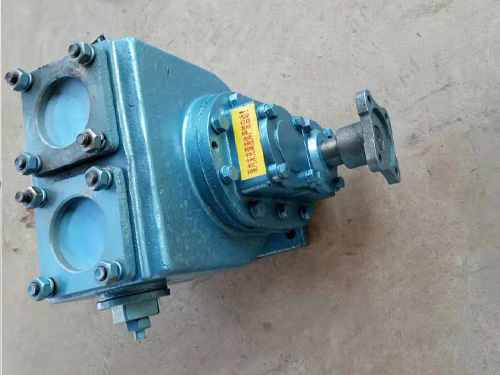
The car mounted circular arc gear pump can be installed on the car and driven by the output...